Choosing the right piano can make a big difference in your learning. There are three levels of piano, starting from the most recommended entry-level choice up to a higher end acoustic/grand piano. It really depends on what your budget and learning goals are!
I personally use a Tier 3 – Upright Piano for myself. If you just want to get one piano for life, chose that!
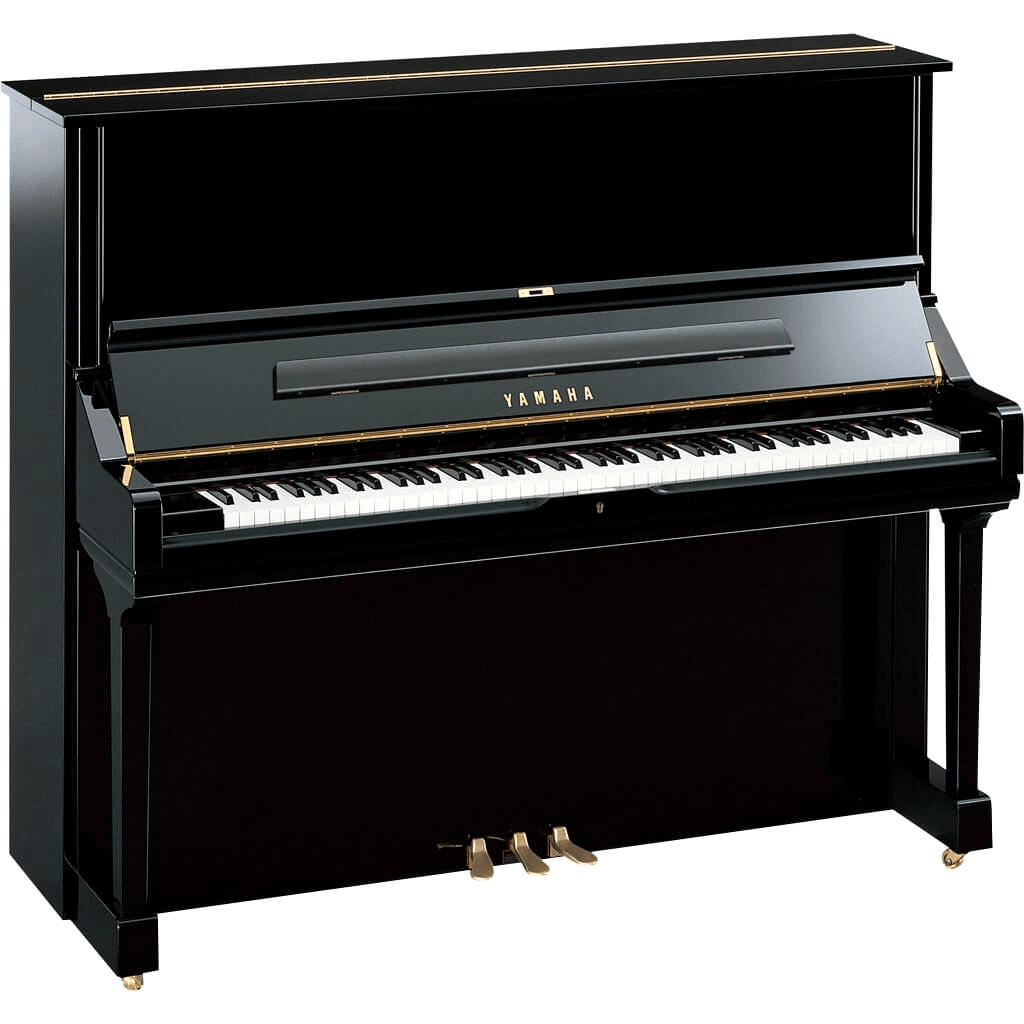
Otherwise, take a look at your options!
🚫 Do not buy – Less than 88-keys, no weighted touch
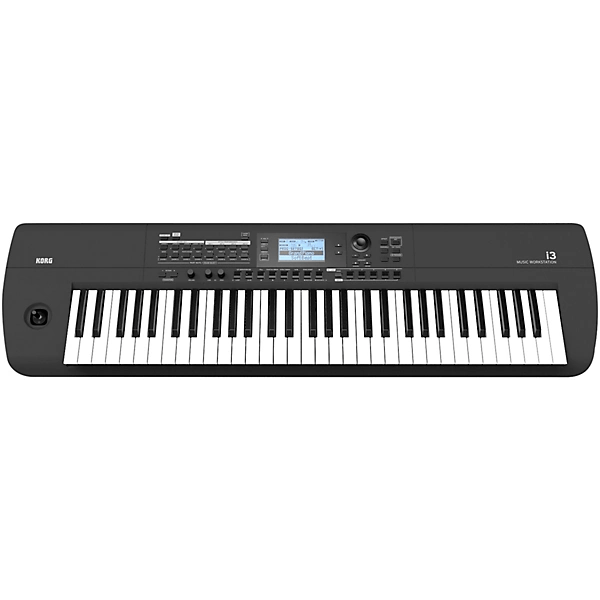
When starting piano lessons, it is strongly recommended not to purchase a keyboard with fewer than 88 keys, especially if it also lacks weighted touch. Smaller keyboards — such as 61- or 76-key models — not only limit your ability to play the full range of repertoire but often have unweighted keys that feel very different from a real piano. This absence of weighted or graded touch can hinder the development of proper finger strength, control, and technique, making it harder to transition to standard repertoire or examinations later on. They also often don’t have compatibility with pedals. You’ll be needing to buy a new piano within a year if you choose this!
🎼 Tier 1 — Portable Digital Pianos
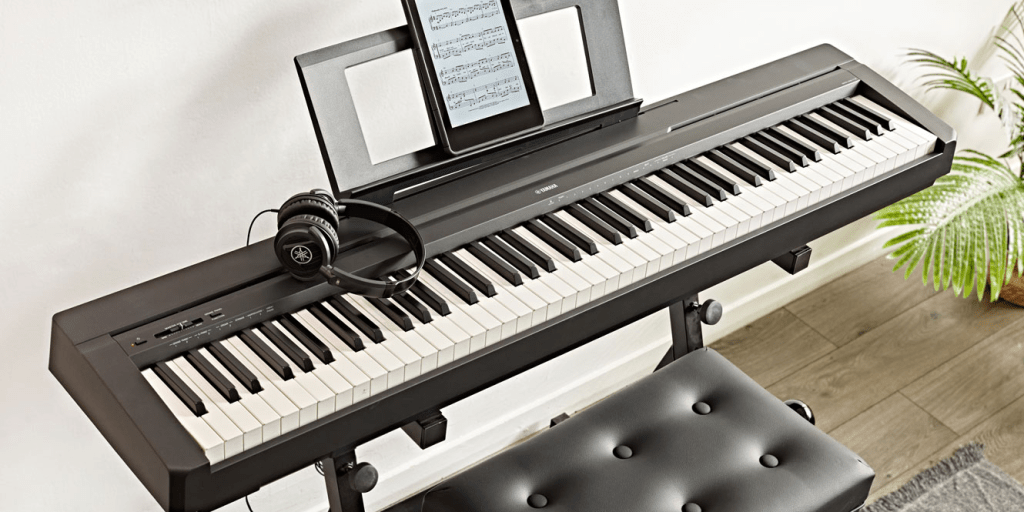
Price Range: ~$400 – $800
This is the best starting point for most students beginning formal piano lessons.
🎹 What to Choose
👉 88-key digital piano with fully weighted or graded hammer action
✅ Why This Tier Works
- Full 88 keys — essential for complete repertoire
- Weighted keys develop proper technique
- Good sound quality for practice and performance
🔎 Features to Prioritize
- Weighted or graded hammer action
- Sustain pedal included
👍 Best For
- Students starting lessons and not sure if you will continue
- Exam preparation for up to Grade 4
- If you want something portable.
✅ Recommended Model: Yamaha P45
💡 This tier is the sweet spot to get started and you’re not sure if it’s for you!
🏆 Tier 2 — Advanced Digital Piano
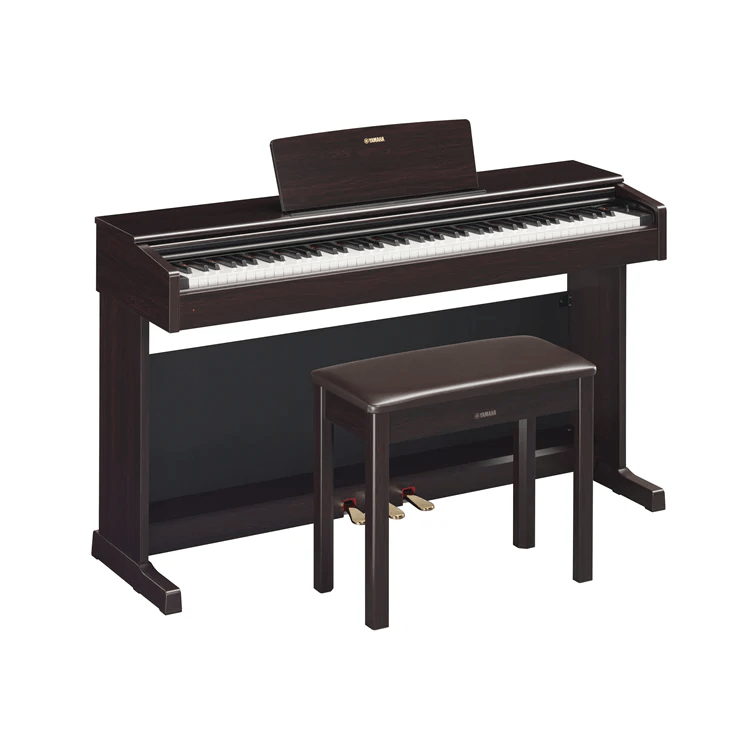
Price Range: ~$1,000 – $3,000
If you’re serious about technique, performing, or long-term use, this tier offers premium digital sound and feel.
🎹 What Makes It Different
- More sophisticated sound engines (often multi-sampled grand piano voices)
- Better key action with refined response
- Often enhanced speaker systems
📌 Key Advantages
- Often more durable build quality
- More similar to an acoustic piano
- Great for composer/performer students
👍 Best For
- Beginner to intermediate students
- Students preparing for high-level exams up to Grade 8
- Those who want a versatile instrument
✅ Recommended Model: Yamaha Clavinova
🎼 Tier 3 — Acoustic Piano (Upright or Grand)
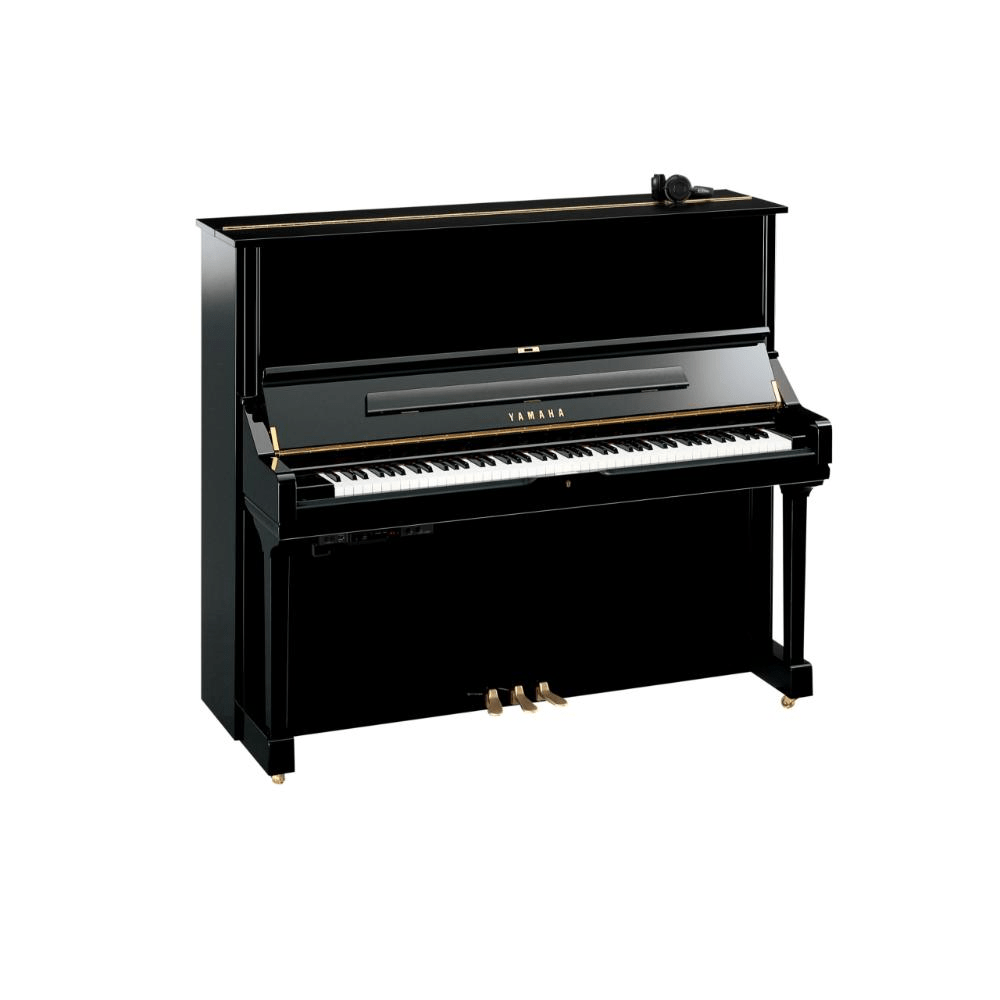
Price Range: ~$2,000 – $10,000+ AUD
The traditional choice with unmatched touch and acoustic resonance.
🎶 Why an Acoustic Piano?
- Natural resonance and rich tonal character
- Infinite dynamic range and expressive control
- Most realistic touch and response available
📌 Things to Consider
- Tuning & maintenance: Regular tuning required
- Cost: Typically higher upfront, plus moving/tuning costs
👍 Best For
- Beginner to very advanced players or performers (up to LmusA)
- Students committed to piano long-term
- Parents who want to make a once-off purchase
✅ Recommended Models: Yamaha U1, U2 and U3
(by the way, if you’re thinking of a Grand Piano, you probably don’t even need to be looking here! Ask Isaac for advice!)
📊 Quick Comparison
| Tier | Keys | Key Action | Sound | Maintenance | Best For |
|---|---|---|---|---|---|
| Tier 1 – Portable Digital | 88 | Weighted / Graded | Good | Very Low | Beginners who are not sure about the piano. |
| Tier 2 – Advanced Digital | 88 | Premium Weighted | Excellent | Very Low | Beginners who have a higher budget. |
| Tier 3 – Acoustic Piano | 88 | Natural | Best | Requires Tuning | Students who want to take their piano seriously. |
📚 I didn’t read this! What does Isaac recommend?
If money was no issue, I would always recommend Tier 3, as this covers all grades and gives you the highest quality sound from the start.
However, I know that not all students will be able to start with that budget! Tier 1 and 2 are still acceptable options to get you started. Just keep in mind you may need to upgrade as you go into higher levels of piano playing!
 Piano Lessons and Piano Teacher in Mulgrave